< Peptide research, explained />
What the research actually says about peptides
Black Peptides gives plain-language summaries of well-known peptides: what they are, what they have been studied for and how they are thought to work. Every card states how strong the evidence is and links to the published sources, so you can read them yourself.
Information only, not medical advice. Many peptides here are experimental and not approved as medicines. Always speak to a qualified healthcare professional. Full disclaimer
< Peptides />
Peptide guide
Select a peptide to see the details, evidence level and sources.
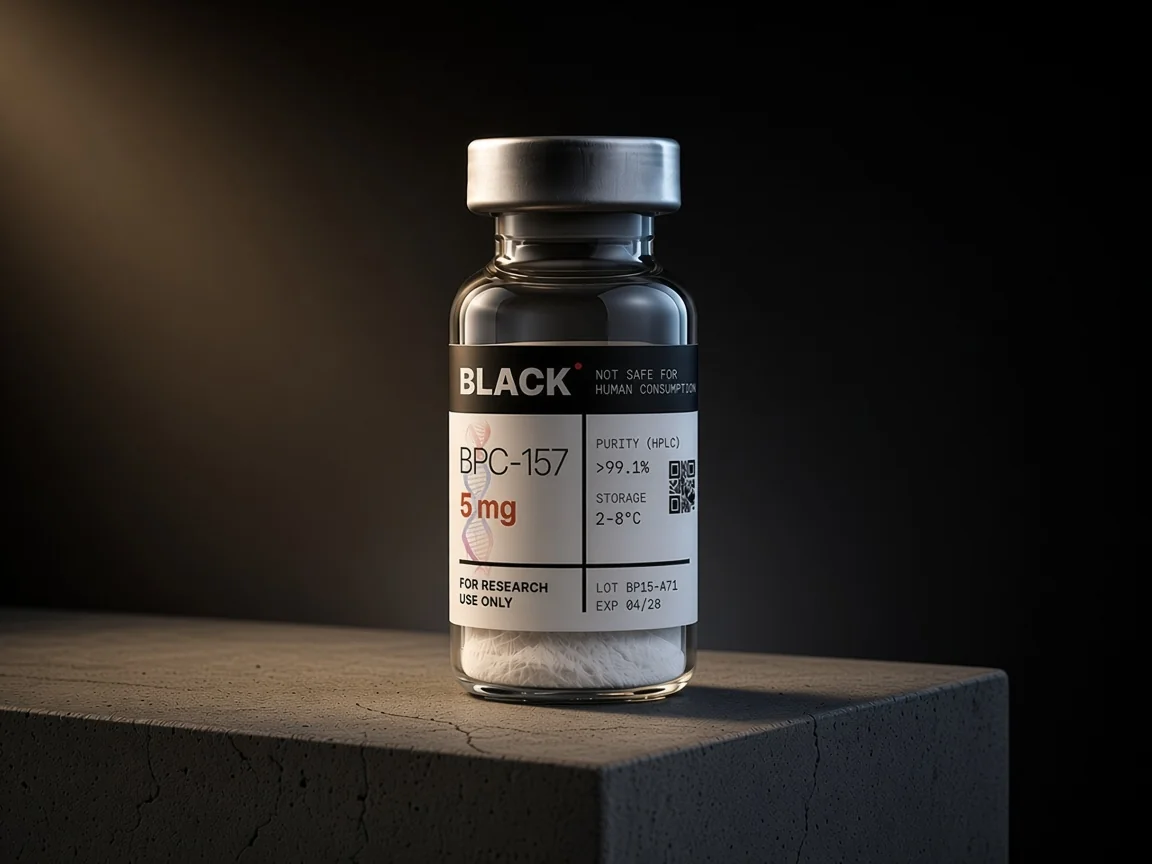 BPC-157A gastric-derived peptide studied for tissue healing, almost entirely in animals.
Evidence levelMostly animal studies
What it is
BPC-157 ("body protection compound 157") is a short peptide of 15 amino acids, described in the literature as derived from a protein found in human gastric juice. It is not approved as a medicine by the US Food and Drug Administration, and its use is banned in professional sport.
What it's used for
It has mainly been researched for protecting and healing the gut lining, and for healing tendons, ligaments, muscle and bone after injury in animal models.
How it works
In laboratory and animal studies it appears to increase growth hormone receptors on tendon cells, encourage the growth of new blood vessels and the movement of repair cells into injured tissue, and reduce inflammatory signals. It is broken down quickly, with a reported half-life of under 30 minutes.
Research notes
A 2025 systematic review found 36 relevant studies: 35 were preclinical (laboratory or animal) and only one involved people, a small retrospective report in which 7 of 12 patients with chronic knee pain said they had relief for more than six months after an injection. The review found no clinical safety data in humans and warned of risks from unregulated manufacturing and contamination.
Sources
- Vasireddi et al., HSS Journal, 2025 (opens in a new tab) – Systematic review (36 studies, 1 clinical)
- Chang et al., J Appl Physiol, 2011 (opens in a new tab) – Laboratory study of tendon cells
- Chang et al., Molecules, 2014 (opens in a new tab) – Laboratory study: growth hormone receptor in tendon cells
- Seiwerth et al., Curr Pharm Des, 2018 (opens in a new tab) – Narrative review of preclinical healing studies
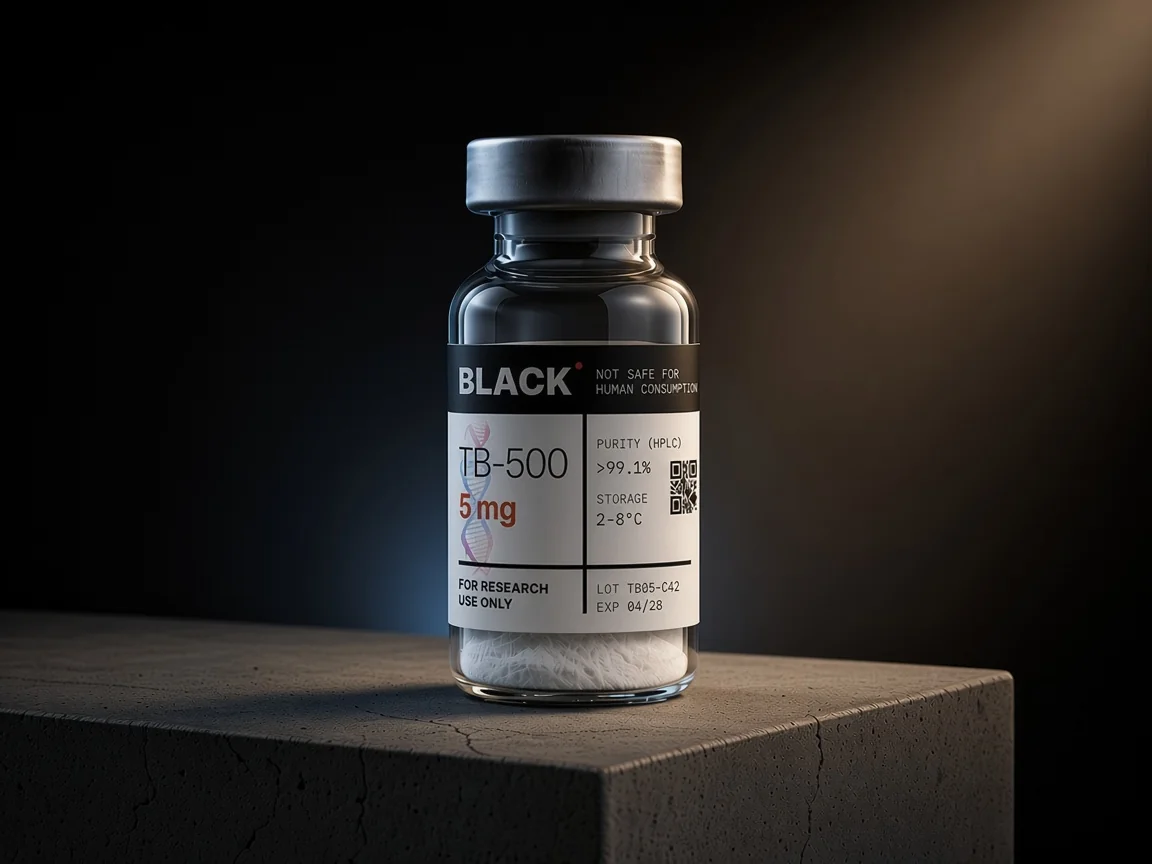 Thymosin beta-4 (TB-500)A natural repair peptide studied for wounds, eyes and the heart.
Evidence levelAnimal studies; small early human trials (eye drops)
What it is
Thymosin beta-4 is a small peptide that occurs naturally in the body and is released by platelets, white blood cells and many other cells after an injury. "TB-500" is a name often used for synthetic versions; the research summarised here is on thymosin beta-4 itself, not on products sold under that name.
What it's used for
It has been researched for skin wound healing, corneal injuries and dry eye, and repair of the heart and brain after injury.
How it works
It binds to actin, a protein that cells use to move, and so helps cells (including stem and progenitor cells) migrate into damaged tissue, form new blood vessels and survive. It is also reported to reduce inflammation and scarring. In mice, it activated a survival pathway in heart cells and supported repair after a heart attack.
Research notes
Most evidence comes from laboratory and animal work. In a small phase 2 trial, nine patients with severe dry eye used thymosin beta-4 eye drops or a placebo for 28 days; the treated eyes showed statistically significant improvements in discomfort and corneal staining. Larger trials are needed before any firm conclusions can be drawn.
Sources
- Goldstein et al., Expert Opin Biol Ther, 2012 (opens in a new tab) – Review of biology and clinical potential
- Bock-Marquette et al., Nature, 2004 (opens in a new tab) – Mouse study of heart repair
- Sosne et al., Cornea, 2015 (opens in a new tab) – Phase 2 randomised trial (9 patients)
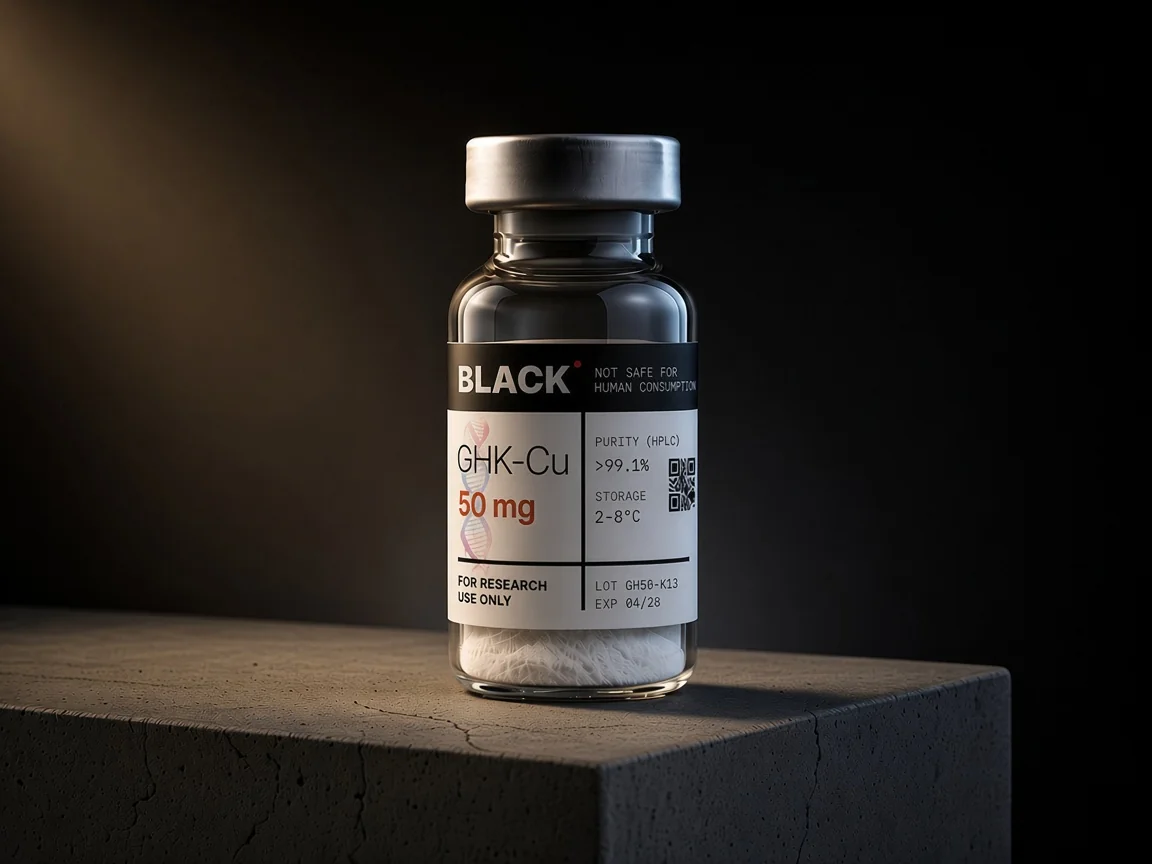 GHK-CuA copper-binding peptide best known from skincare.
Evidence levelLaboratory and animal studies; limited cosmetic studies
What it is
GHK (glycyl-histidyl-lysine) is a tiny peptide of three amino acids found in human blood plasma, saliva and urine; levels decline with age. It readily binds copper, and the copper complex is known as GHK-Cu.
What it's used for
It is used in cosmetic skin products and has been researched for wound healing and skin ageing, as well as being proposed for other conditions in early laboratory work.
How it works
In laboratory studies it stimulates the production of collagen, elastin and glycosaminoglycans (key parts of skin structure), supports the function of skin fibroblasts and attracts immune and blood-vessel cells to an injury. Gene-expression studies suggest it can switch thousands of human genes up or down.
Research notes
Reviews report faster wound healing in rats, mice, pigs and dogs, and improvements in skin firmness and elasticity in cosmetic studies. Much of the published review literature comes from one research group, and large independent clinical trials are lacking, so claims beyond cosmetic use should be treated with caution.
Sources
- Pickart & Margolina, Int J Mol Sci, 2018 (opens in a new tab) – Review including gene-expression data
- Pickart et al., Biomed Res Int, 2015 (opens in a new tab) – Review of skin regeneration research
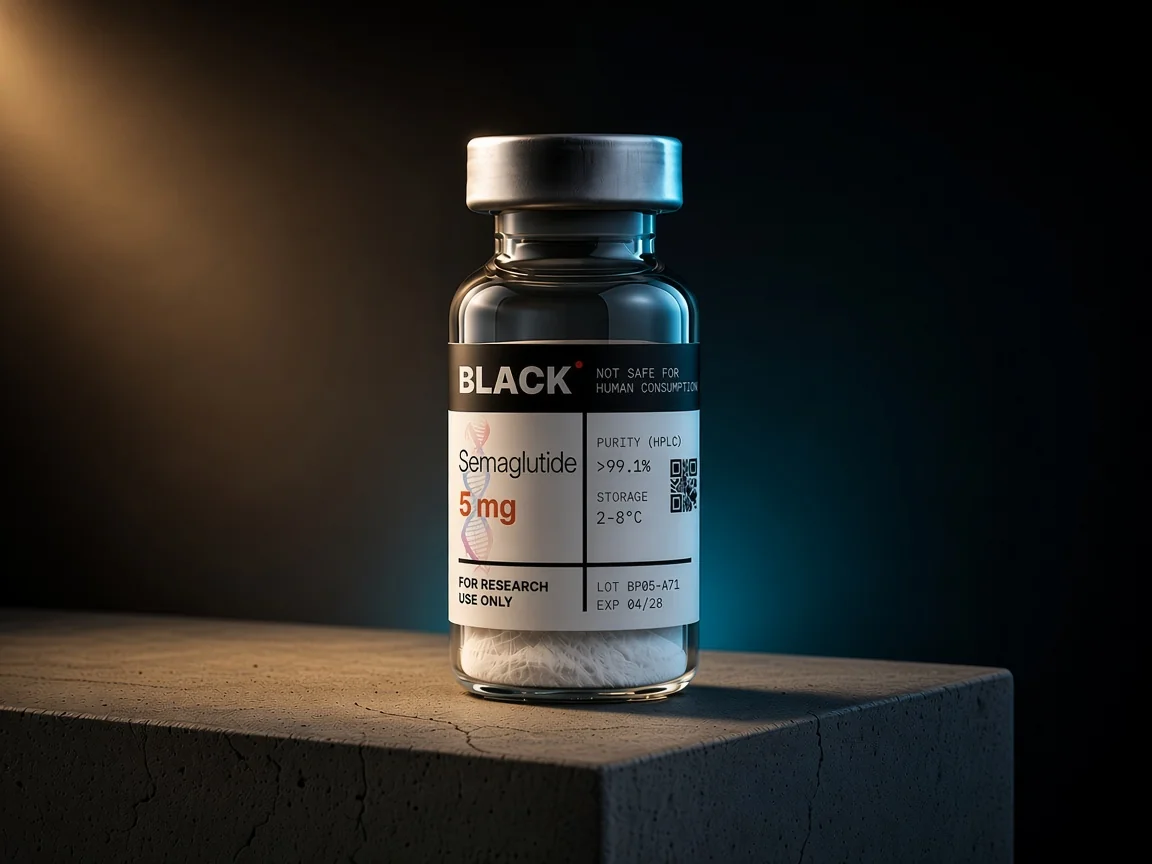 SemaglutideA licensed GLP-1 medicine for type 2 diabetes and weight management.
Evidence levelLarge human trials; licensed medicine
What it is
Semaglutide is a prescription medicine that mimics GLP-1, a natural gut hormone. In the UK it is sold under the brand names Ozempic and Rybelsus (type 2 diabetes) and Wegovy (weight management), and NICE has issued guidance on its use for overweight and obesity.
What it's used for
It is licensed for type 2 diabetes and, alongside diet and exercise, for weight management in some adults with obesity or overweight. It has also been studied for reducing heart attack and stroke risk.
How it works
For weight loss it reduces appetite and helps people feel fuller for longer. In type 2 diabetes it lowers blood sugar and helps the body make more insulin when needed. It also slows digestion, which keeps blood sugar more stable after meals.
Research notes
In the STEP 1 trial (1,961 adults without diabetes, 68 weeks), average weight fell by 14.9% with weekly semaglutide compared with 2.4% with placebo; nausea and diarrhoea were the most common side effects. In SUSTAIN-6 (3,297 people with type 2 diabetes), heart attack, stroke or cardiovascular death occurred in 6.6% on semaglutide versus 8.9% on placebo, though eye (retinopathy) complications were more common. In SELECT (17,604 adults with heart disease and overweight, without diabetes), these events occurred in 6.5% versus 8.0%. It should only be used under medical supervision.
Sources
- Wilding et al., N Engl J Med, 2021 (STEP 1) (opens in a new tab) – Randomised controlled trial (1,961 adults)
- Marso et al., N Engl J Med, 2016 (SUSTAIN-6) (opens in a new tab) – Randomised controlled trial (3,297 patients)
- Lincoff et al., N Engl J Med, 2023 (SELECT) (opens in a new tab) – Randomised controlled trial (17,604 patients)
- NHS: Semaglutide (opens in a new tab) – Patient information
- NICE TA875 (opens in a new tab) – Semaglutide for managing overweight and obesity
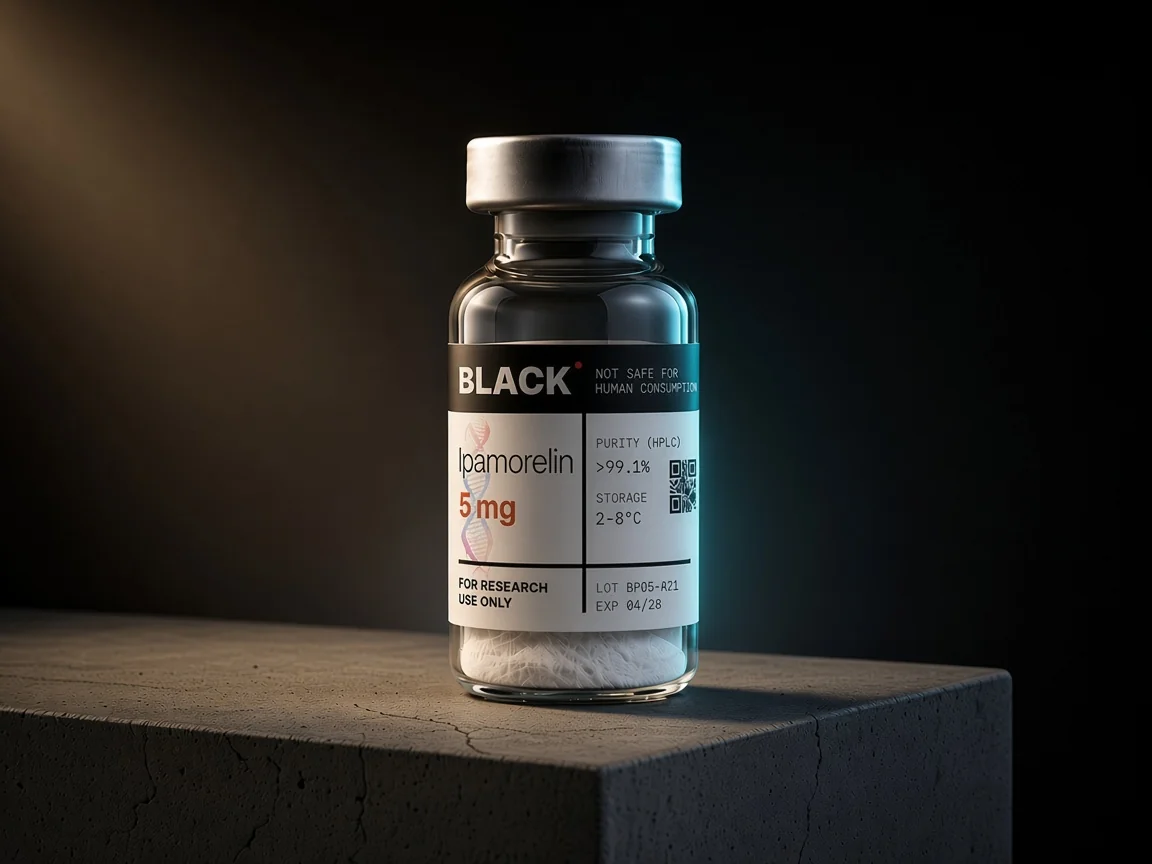 IpamorelinA selective growth hormone releaser that never became a medicine.
Evidence levelAnimal studies; one small human trial (no benefit shown)
What it is
Ipamorelin is a synthetic peptide of five amino acids, developed in the 1990s as a "growth hormone secretagogue": a compound that prompts the pituitary gland to release growth hormone. It is not an approved medicine.
What it's used for
It was developed as a selective way to raise growth hormone, and was later tested in people for postoperative ileus (a slowdown of the gut after bowel surgery).
How it works
It acts on the same receptor as the hunger hormone ghrelin to trigger growth hormone release. In animal studies, unlike older compounds of the same type, it did not noticeably raise the stress hormones ACTH and cortisol, even at very high doses.
Research notes
The original 1998 study in rats and pigs showed potent, selective growth hormone release. A phase 2 randomised trial in 114 bowel surgery patients found ipamorelin was well tolerated but no better than placebo at speeding recovery of gut function. There are no published long-term human safety data in this source set.
Sources
- Raun et al., Eur J Endocrinol, 1998 (opens in a new tab) – Laboratory and animal pharmacology
- Beck et al., Int J Colorectal Dis, 2014 (opens in a new tab) – Phase 2 randomised trial (114 patients)
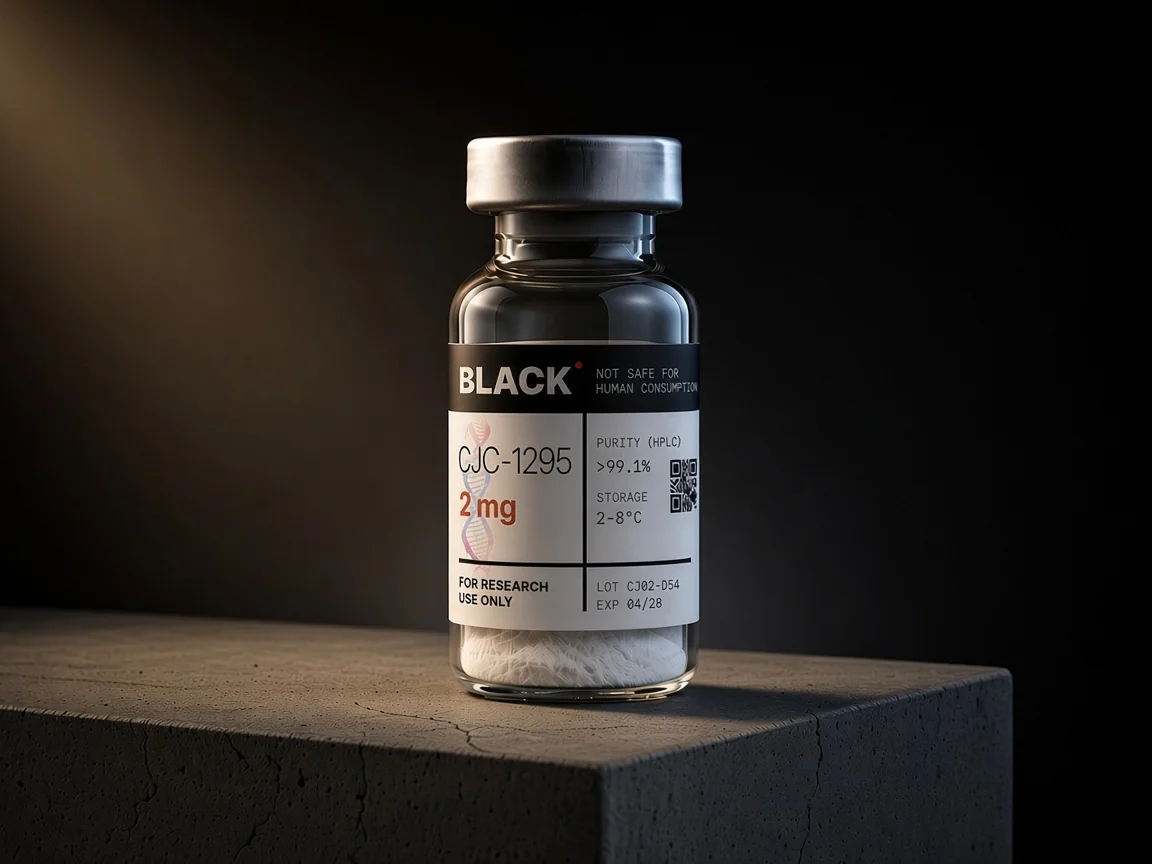 CJC-1295A long-acting growth hormone-releasing hormone analogue.
Evidence levelSmall, short early-phase human trials
What it is
CJC-1295 is a synthetic version of growth hormone-releasing hormone (GHRH), modified to bind to albumin in the blood so that it lasts about a week instead of minutes. It is not an approved medicine.
What it's used for
It was investigated as a long-acting way to raise growth hormone and IGF-1 levels in people whose pituitary gland still works.
How it works
Like natural GHRH, it signals the pituitary gland to release growth hormone, which in turn raises IGF-1. Because it lasts so long, a single injection raised hormone levels for days, while the natural pulsing pattern of growth hormone release was preserved.
Research notes
In two small randomised, placebo-controlled trials in healthy adults (lasting 28 and 49 days), a single injection raised growth hormone 2 to 10-fold for six days or more and IGF-1 1.5 to 3-fold for 9 to 11 days, with an estimated half-life of 5.8 to 8.1 days; no serious adverse reactions were reported. A follow-up study in healthy young men found growth hormone pulses were preserved. These were short studies, so long-term effects and safety are unknown.
Sources
- Teichman et al., J Clin Endocrinol Metab, 2006 (opens in a new tab) – Two randomised controlled trials in healthy adults
- Ionescu & Frohman, J Clin Endocrinol Metab, 2006 (opens in a new tab) – Study in healthy men